
10 Lo-Fi Aesthetic Secrets That Every Music Lover Should Know
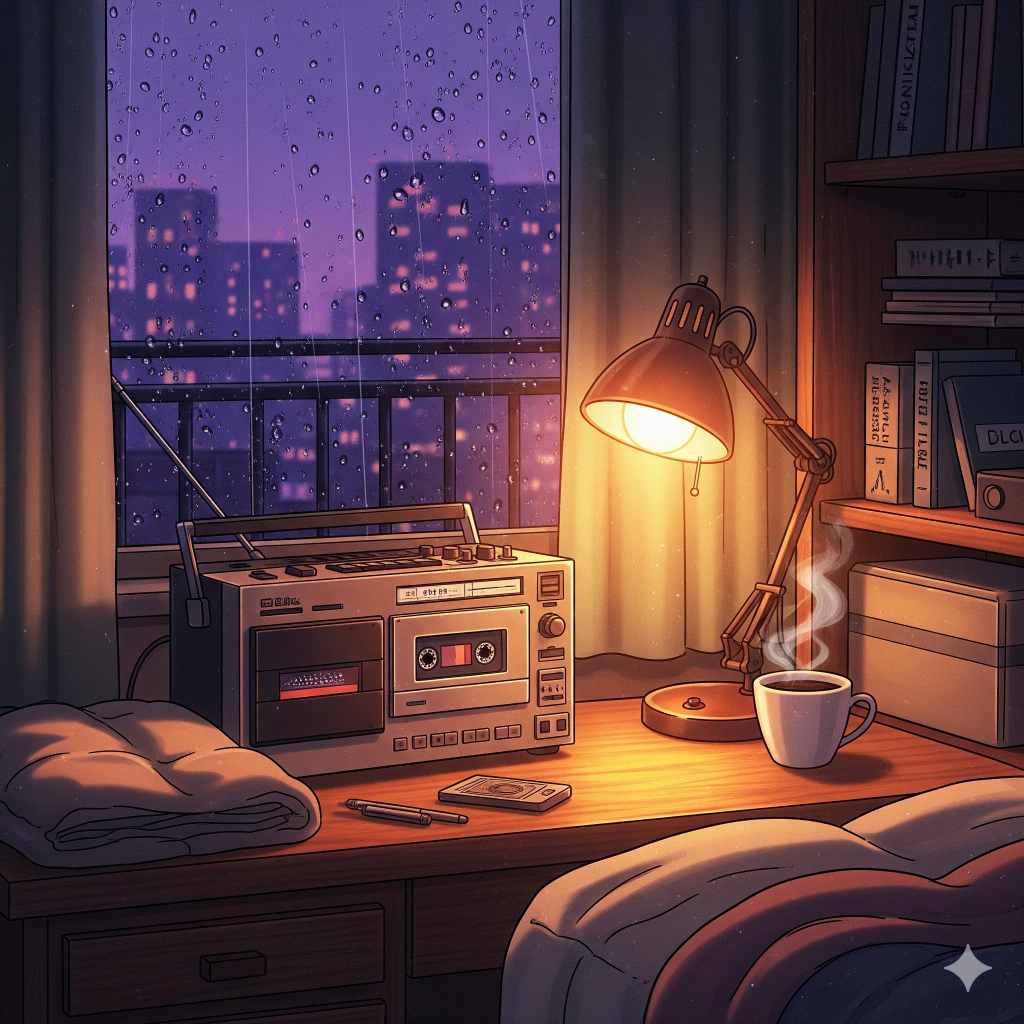
You’ve spent hours scrolling through “study girl” playlists, chasing that specific feeling of nostalgia and calm, yet your own attempts to curate or create that vibe feel sterile. Most people think the lo-fi aesthetic is just about adding rain sounds or a vintage filter, but they often miss the soul that makes the genre breathe.
In this guide, we’re moving past the surface-level tropes. You will learn the hidden technical tricks of “imperfect” production, the psychological triggers of nostalgia, and how to build a high-quality lo-fi experience on a zero-dollar budget.
1. The Magic of “Woe and Flutter”
The hallmark of the lo-fi aesthetic is the sense that the music is played on a slightly broken cassette player. In technical terms, this is known as wow and flutter, which refers to the pitch instabilities caused by irregular tape speeds.
To recreate this without expensive vintage gear, you can use free plugins that introduce “pitch drift.” The secret is to keep it subtle; if the pitch swings too wide, it becomes nauseating rather than nostalgic. Aim for a deviation of less than 1% to achieve that sweet spot of analog warmth.
2. Saturation Over Distortion
A common mistake beginners make is cranking up the distortion until the track sounds “crunchy.” True lo-fi relies on saturation, which rounds off the sharp edges of digital audio and adds harmonic excitement.
Think of saturation as a soft blanket for your frequencies. It fills in the gaps of thin digital recordings, making a cheap USB microphone sound like a $500 vintage piece. Tape saturation specifically adds a gentle compression that glues your drums and melodies together.
3. The “Found Sound” Layering Technique
Professional lo-fi producers rarely rely on a clean drum kit. They layer their beats with “found sounds”—the clink of a coffee cup, the rustle of keys, or footsteps on gravel.
These organic textures provide a human element that MIDI instruments lack. To do this effectively, record 30 seconds of ambient noise in your room right now using your phone. Tuck this recording deep into the mix at a low volume to give your track an immediate sense of “place.”
4. Mastering the 400Hz to 4kHz Frequency Range
In the world of high-fidelity audio, engineers strive for a “smiley face” EQ curve with booming lows and crisp highs. Lo-fi flips this on its head.
The lo-fi aesthetic lives in the mid-range. By using a high-cut and low-cut filter (the “telephone effect”), you remove the distracting sub-bass and the piercing highs. This mimics the limited frequency response of old radio speakers, which our brains instinctively associate with “the good old days.”
5. Embracing the “Wrong” Chords
If you want that jazzy, melancholic lo-fi sound, you have to move beyond basic major and minor chords. The secret lies in 7th and 9th chords.
These extended chords add a layer of sophisticated tension and unresolved emotion. Even if you don’t know music theory, most digital workstations have a “chord trigger” tool. Use it to experiment with minor 7th chords to instantly inject that “rainy afternoon” mood into your progression.
6. The “Ducking” Secret (Sidechain Compression)
Have you ever noticed how the background hiss and melodies seem to “breathe” every time the kick drum hits? That is sidechain compression, often called “ducking.”
- The Goal: Make the kick drum the heartbeat of the track.
- The Method: Route your ambient noise and melodic pads through a compressor triggered by the kick.
- The Result: A rhythmic pulsing effect that makes even the slowest track feel like it has “groove.”
7. Sampling the Public Domain
You don’t need to risk a lawsuit to get those iconic movie dialogue snippets. The internet is full of public domain archives containing old educational films and radio broadcasts from the 1940s and 50s.
A crackly voice talking about the “wonders of the universe” or a simple “hello” from a 70-year-old recording adds instant narrative depth. Pro tip: Pitch the vocal sample down two semitones to make it feel more “dreamlike.”
8. Vinyl Crackle: The Spice, Not the Main Dish
Overusing vinyl crackle is the fastest way to make a track sound “fake.” The crackle should be an afterthought, not the lead instrument.
Instead of a constant loop, try using crackle samples that trigger only when a certain instrument plays. This makes the noise feel like it’s coming from the “physicality” of the instrument itself rather than a separate recording layered on top.
9. The Art of the “Sloppy” Timing
In modern pop, everything is perfectly aligned to a grid. In the lo-fi aesthetic, perfection is the enemy.
Turn off your “Snap to Grid” setting and manually move your snare hits or hi-hats slightly after the beat. This is called laid-back timing. It mimics a human drummer who is playing slightly behind the click, giving the music a relaxed, unhurried feel.
10. Minimalist Visual Pairing
Lo-fi is as much a visual genre as it is an auditory one. The secret to the visual aesthetic isn’t just “anime.”
It’s about looped nostalgia. Find a 2-second clip of something mundane—water boiling, a train passing, or a flickering streetlamp. By looping a small, repetitive action, you create a hypnotic environment that allows the listener to focus on the music without being distracted by a changing narrative.
Putting It Into Practice: A 10-Minute Lo-Fi Audit
If you’re looking to transform your playlist or your own productions, try this:
- Reduce the High-End: Apply a low-pass filter at 5000Hz.
- Add Room Ambience: Record your current environment for 10 seconds.
- De-Quantize: Move your drums slightly off-beat.
Expert Insight: “Lo-fi isn’t about bad quality; it’s about intentional quality. It’s the difference between a blurry photo and a photo with a beautiful bokeh effect.”
The Enduring Appeal of Imperfection
The lo-fi aesthetic succeeds because it validates our own flaws. In a world of Autotune and 4K resolution, there is a profound comfort in hearing the hiss of a tape and the wobble of a piano. It reminds us that something doesn’t have to be perfect to be beautiful.
Whether you are a listener or a creator, these secrets allow you to peel back the layers of the genre and appreciate the craftsmanship behind the “noise.”



0 Comments