
Everything You Need to Know About the 2026 Election Cycle Crisis
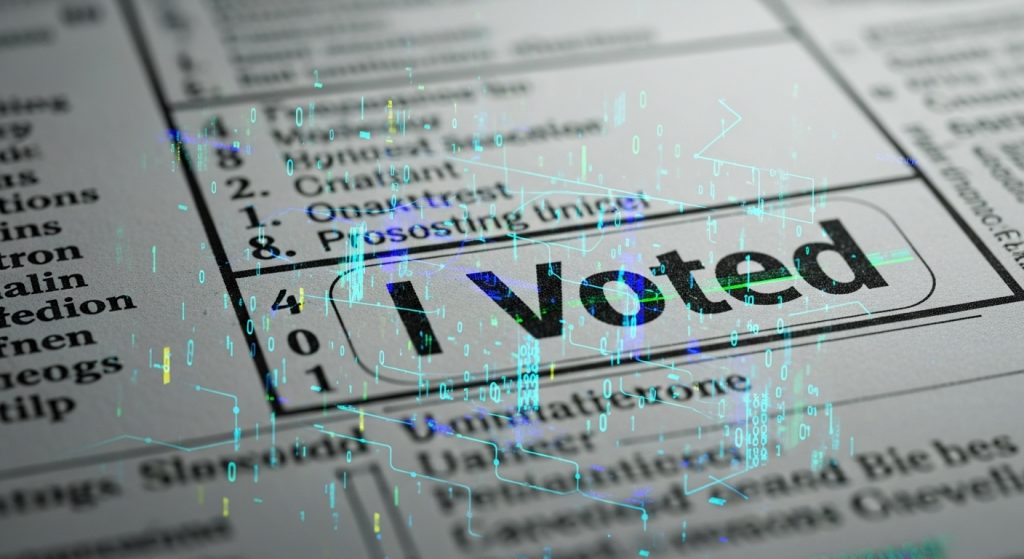
The 2026 midterm elections aren’t just another date on the calendar; they represent a potential breaking point for modern governance. If you feel like the political temperature is rising despite the “off-year” status, you aren’t alone. From the nationalization of local elections to the invisible influence of generative AI, the stakes have never been higher for the average voter.
This article pulls back the curtain on the 2026 Election Cycle Crisis, moving beyond the typical “who’s winning” horse race. We will explore the systemic shifts threatening the 250-year-old American experiment and how global instability is leaking into domestic ballots.
What you will learn:
- The primary drivers behind the 2026 Election Cycle Crisis.
- How mid-decade redistricting and “nationalization” efforts are changing the game.
- The role of AI-generated deepfakes in poisoning the information stream.
- Practical steps to protect your vote and filter through the noise.
The Root of the 2026 Election Cycle Crisis
For decades, midterm elections followed a predictable pattern: the President’s party lost seats, and the “in-party” faced a standard referendum on the economy. However, the 2026 Election Cycle Crisis is different because the foundation of “how” we vote is under active reconstruction.
The Drive to Nationalize Elections
One of the most significant stressors this cycle is the push to nationalize election standards. Traditionally, states have held the power to manage their own voting procedures, a decentralized system that experts argue is a safeguard against authoritarianism. Today, we see a clash between federal mandates like the SAVE America Act and state-level protections, creating a legal “no-man’s land” that confuses voters.
Mid-Decade Redistricting Battles
We are also witnessing an unprecedented wave of mid-decade redistricting. Typically, maps are redrawn once every ten years after the census. In 2026, states like Texas and California are locked in legal battles over maps redrawn halfway through the cycle, leading to extreme partisan gerrymandering that leaves millions of voters feeling their “safe” districts are anything but secure.

AI and the Information Environment: A New Digital Front
If 2024 was the “testing ground” for AI in politics, 2026 is the year the technology has fully matured. The 2026 Election Cycle Crisis is being fueled by a “truth decay” where voters can no longer distinguish between a candidate’s actual speech and a high-fidelity deepfake.
The Rise of Deceptive Media
It’s not just about fake videos of candidates saying outrageous things. The real danger lies in micro-targeted AI campaigns. These bots can generate thousands of unique messages tailored to your specific fears or interests, flooding social media feeds with misinformation that is nearly impossible for human moderators to catch in real-time.
- Deepfake Audio: Used to suppress turnout by mimicking election officials.
- Automated Phishing: AI-driven cyberattacks targeting local election infrastructure.
- Information Overload: Creating a “skepticism fatigue” where voters stop believing anything they see online.
Expert Insight: “The public’s resilience is our best defense. While regulations like the AI Act try to keep up, the most effective tool is a skeptical mind and verified news sources.”
Global Instability and the “America First” Ripple Effect
The 2026 Election Cycle Crisis isn’t happening in a vacuum. The U.S. midterm results will dictate how the country interacts with a world that is becoming increasingly polycentric.
As of 2026, the global rules-based order is under strain. From rifts within NATO to shifting alliances in South America, international observers are watching the U.S. midterms as a signal of whether “America First” protectionism is a temporary trend or a permanent shift. This uncertainty has already led to a 10% depreciation of the US dollar since early 2025, directly impacting the “bread-and-butter” issues like inflation and energy costs that decide elections.
Common Mistakes Voters Make During a Crisis
When the political landscape feels like a minefield, it’s easy to fall into traps that actually diminish your political power.
- Falling for the “My Vote Doesn’t Count” Myth: In a world of gerrymandered districts, many believe their ballot is a waste of time. However, low-turnout elections are exactly where a few hundred votes can flip a House seat and change the national legislative agenda.
- Relying on Single-Source Information: Consuming news only through social media algorithms is the fastest way to become a victim of the AI-driven 2026 Election Cycle Crisis.
- Ignoring Local and Down-Ballot Races: While the battle for Congress gets the headlines, the people who actually certify the votes—Secretaries of State and local election officials—are on your local ballot.
How to Navigate the 2026 Midterms
Based on first-hand data from election security experts, here is a 3-step plan to stay grounded:
- Verify the Source: Before sharing a “viral” political clip, check it against three independent news outlets.
- Know the Rules: Because of recent legislative changes like the SAVE America Act, check your registration status at least 90 days before the election.
- Focus on Affordability: Cut through the “cultural war” rhetoric. Look for candidates with concrete plans for housing, healthcare, and energy—the real issues driving the 2026 economy.
The Path Forward
The 2026 Election Cycle Crisis is a symptom of a democracy in transition. Whether this cycle leads to a “Second Republic” of renewed trust or deeper polarization depends entirely on how voters respond to the current pressure.
Key Takeaway: The crisis isn’t just about who wins; it’s about whether the system itself remains transparent and accessible. Your most powerful tool isn’t a social media post—it’s a verified, informed ballot.



0 Comments