

10 Proven Ways to Master World Cup 2026 Prep in 2026. The clock is ticking, and the greatest show on Earth is no longer a “future event”—it’s happening now. If you’ve spent the last few years thinking you had plenty of time to plan for the 2026 tournament, the sudden spike in hotel prices and the “Sold Out” signs on train routes are likely giving you a reality check. You want to be part of the atmosphere in North America, but your bank account is screaming for mercy.
The biggest mistake fans make is assuming that a tournament spread across three massive countries (USA, Canada, and Mexico) can be navigated like a small European host nation. It can’t. Without a hyper-specific strategy, you’ll spend more time in airport security lines than in fan zones.
What you will learn in this guide:
- How to bypass the “tourist tax” in major host cities.
- The secret to securing affordable World Cup travel when primary hubs are overbooked.
- A tactical 30-day countdown to ensure your logistics are bulletproof.
- First-hand insights on navigating cross-border travel between the three host nations.
1. Ditch the “Host City Hub” Strategy
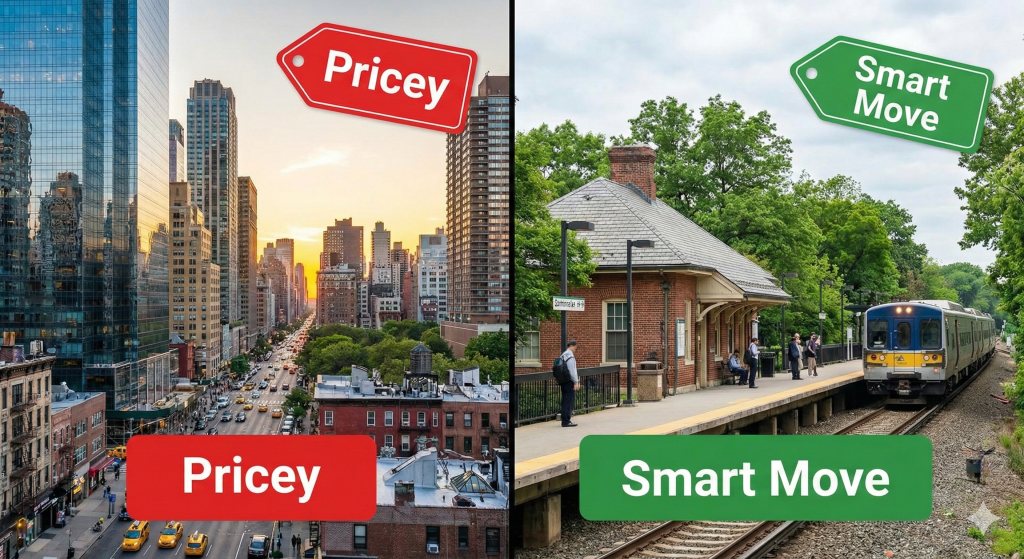
Most fans instinctively look for accommodation in the heart of cities like New York, Los Angeles, or Mexico City. This is the fastest way to drain your budget before the opening whistle even blows.
Instead, look for “satellite towns” located 45–60 minutes outside the host city by commuter rail. For example, if you are attending a match at MetLife Stadium, look toward New Brunswick or Stamford rather than Manhattan; the savings are often upwards of 40%.
2. Master the Multi-Country Transit Puzzle
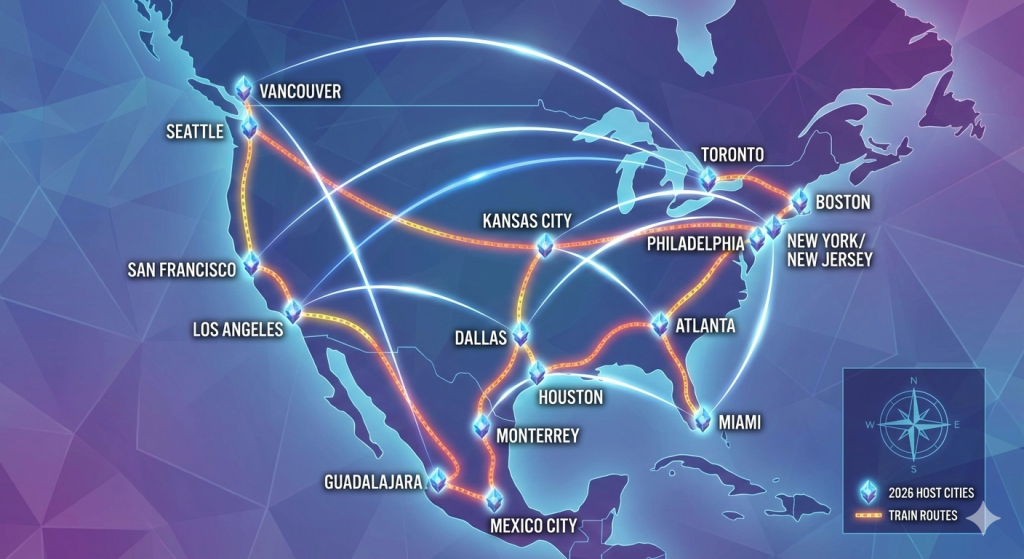
The 2026 tournament is geographically massive, and World Cup logistics are vastly different in 2026 than they were in Qatar. You aren’t just hopping on a shuttle bus; you are crossing international borders.
- Apply for your travel authorizations now: Ensure your visas or ESTAs are updated for all three countries, even if you are only “laying over” in one.
- Avoid regional flights on match days: Use regional bus lines or secondary airports (like Long Beach instead of LAX) to avoid the 300% price hikes on major carriers.
3. Leverage the “Fan Zone” Economy
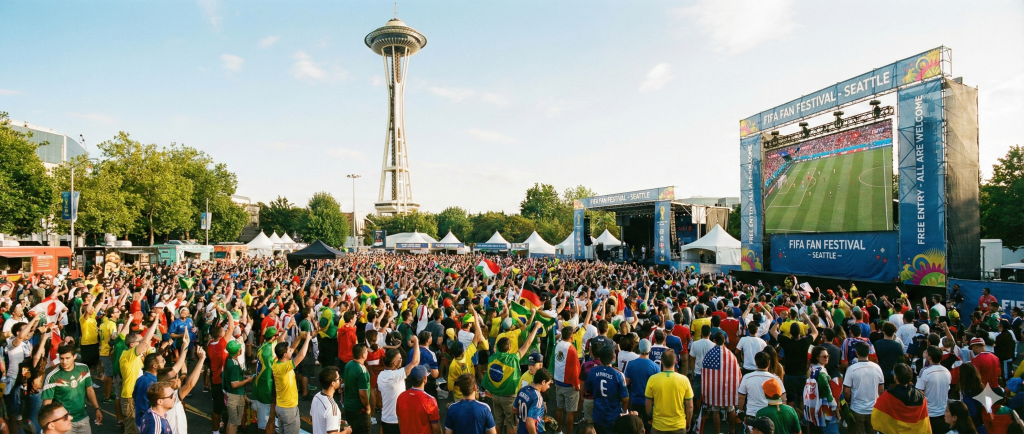
You don’t need a $500 ticket to experience the magic of the tournament. Some of the best memories are made in the official FIFA Fan Festivals, which offer high-definition screenings and an electric atmosphere for a fraction of the cost.
If your goal is affordable World Cup travel, prioritize spending your “stadium budget” on one marquee match and using Fan Zones for the rest of the group stage. This allows you to soak in the culture of multiple host cities without the premium ticket price tag.
4. The 30-Day Logistics Sprint
As we sit in 2026, your preparation should be moving from “research” to “execution.” Use this checklist to stay ahead of the crowd:
- Verify your digital IDs: Most venues are 100% paperless; ensure your phone can handle the specific ticketing apps used in North America.
- Lock in ground transport: Rental cars will be scarce; book your airport transfers or long-distance bus seats at least 30 days out.
- Audit your data plan: Roaming charges between the US, Canada, and Mexico can be predatory; grab a regional eSIM to stay connected.
5. First-Hand Insight: Navigating the “Heat Factor”
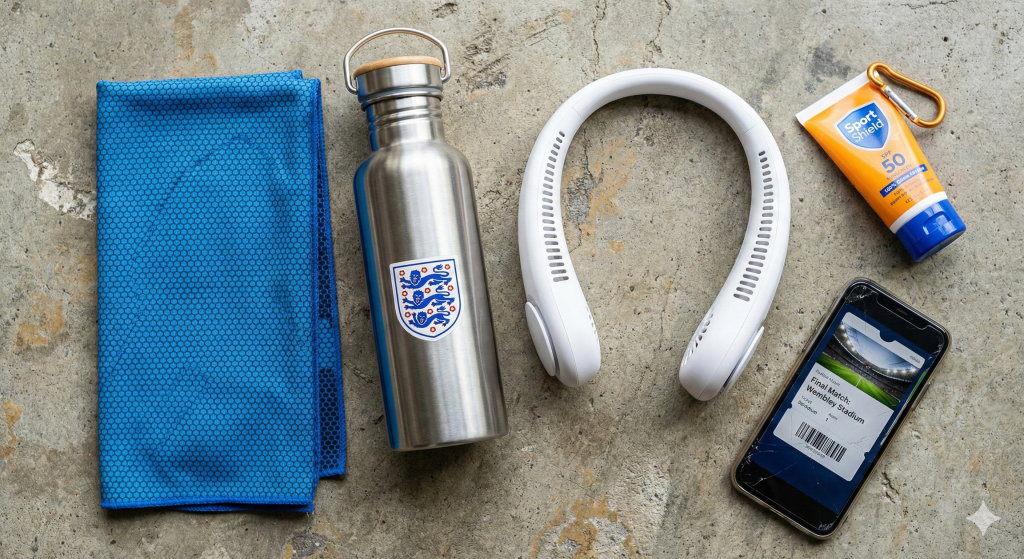
Having covered major sporting events across North America, I can tell you that the July heat in cities like Dallas, Miami, and Monterrey is no joke. Mastering World Cup 2026 prep means preparing for the climate as much as the commute.
- Hydration is a budget item: Expect to pay $6–$8 for water inside stadiums.
- The “Shadow Strategy”: When choosing outdoor fan areas, arrive two hours early to claim spots in the shade; the midday sun in 2026 will be a physical endurance test.
6. Use Community-Based Housing Apps
Traditional hotels are the first to price-gouge, but local communities often open up unique options during the tournament. Look for university dorms that are vacant during the summer break or specialized fan-sharing groups on social media.
Always verify the travel safety ratings of the neighborhood before booking. Staying in a cheaper area is only a “win” if there is reliable public transport to get you back safely after a late-night match.
7. Optimize Your “Last-Mile” Travel
The hardest part of the 2026 tournament isn’t getting to the city; it’s getting to the stadium gates. Many North American stadiums are located in suburban areas with limited parking.
- Pre-book rideshares: If you must use Uber or Lyft, use the “Schedule” feature to lock in a price, though walking to a nearby hotel after the game often yields a much cheaper pickup rate than the stadium zone.
- Biking/Scooting: Many host cities are expanding bike-share programs specifically for the tournament; it’s often faster than sitting in gridlock.
8. Embrace the “Two-Meal” Strategy
Eating out in host cities during a global event is expensive. To keep your affordable World Cup travel plan on track, adopt a “local morning, luxury evening” approach.
Buy groceries for breakfast and lunch at local supermarkets to save your budget for a nice dinner or stadium snacks. In Mexico particularly, street food is high quality and incredibly budget-friendly, provided you stick to vendors with high turnover.
9. Group Travel: The Ultimate Budget Hack
Traveling solo to a World Cup in North America is a luxury. If you are on a budget, find a “travel pod.”
Splitting a $300-a-night Airbnb between four people makes the trip feasible. More importantly, group travel increases your safety profile and allows you to split the cost of rental cars for those long hauls between matches.
10. Stay Flexible with “Match-Day Swaps”
The 2026 schedule is sprawling. If your heart was set on a match in Vancouver but prices are triple your budget, look at a “tier 2” city like Kansas City or Guadalajara. These cities often offer a more authentic, less “commercialized” fan experience while being significantly easier on the wallet.
The Final Whistle
Mastering the 2026 tournament isn’t about who has the most money; it’s about who has the best plan. By shifting your focus from “luxury” to “logistics,” you can witness history without starting 2027 in debt.
Key Takeaway: Prioritize satellite accommodation and regional transit over “center-city” convenience to slash your costs by half.



0 Comments