
Why World Cup 2026 Prep is Changing the Face of Modern Sports This Year
The countdown has shifted. We are no longer just “anticipating” the tournament; we are actively living through a radical overhaul of how sports events are built, consumed, and monetized. World Cup 2026 preparation isn’t just about paving roads or expanding seating capacity—it is a live experiment in sustainability, hyper-local engagement, and AI-driven logistics that will set the standard for the next decade.
Most businesses and organizers are making a critical mistake right now: they are waiting for 2026 to “activate” their strategies. By then, it will be too late. The infrastructure of modern sports is being rewritten this year, and those who don’t adapt their venues, marketing, and fan experiences now will be left playing catch-up when the first whistle blows.
What You Will Learn
- The “Shadow Tournament” Strategy: How to capitalize on World Cup hype without an official sponsorship budget.
- Infrastructure Reality Check: Why “no new stadiums” is actually a massive challenge for local logistics.
- The Tech Gap: The specific fan engagement technology you need to adopt before 2026.
- Sustainability Myths: The truth about carbon footprints in a tri-nation tournament and how to green your own operations.
The “No New Stadiums” Paradox: A New Era of Infrastructure
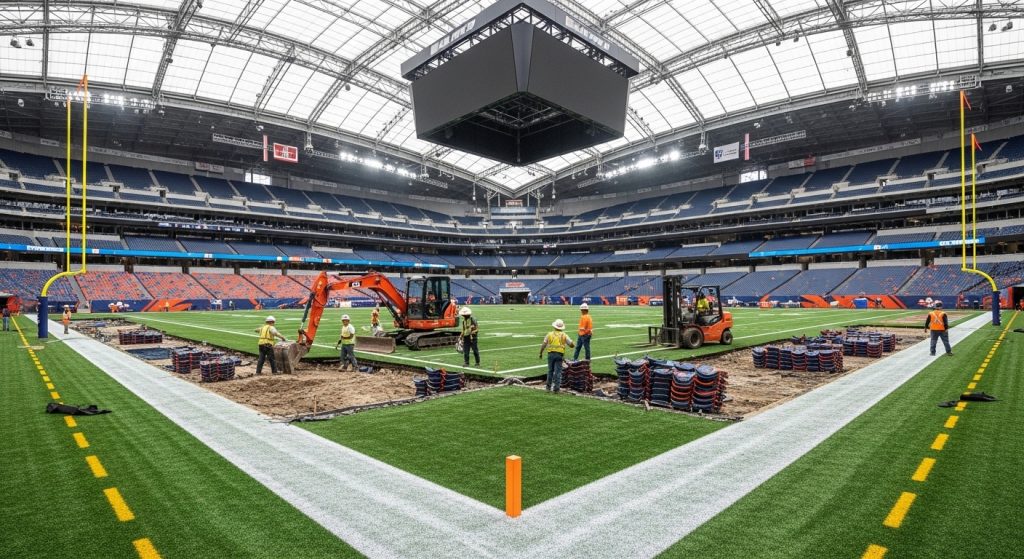
For the first time in modern history, a World Cup is being hosted with zero new stadium construction. On paper, this sounds like a win for sustainability. In reality, it forces a complete reimagining of sports infrastructure technology within existing shells.
Why Renovation is Harder Than Construction
NFL stadiums are designed for American football, not global soccer. The World Cup 2026 preparation involves complex engineering feats to widen pitches and remove corner seating without destroying sightlines.
- Field Level Adjustments: Stadiums like SoFi in Los Angeles and AT&T in Dallas are undergoing massive retrofits to accommodate FIFA’s pitch dimensions.
- Grass vs. Turf: The “turf wars” are over. FIFA requires natural grass, forcing dome stadiums to innovate with hybrid grow-light systems and retractable fields that can survive indoors.
- The Logistics Crunch: Without new builds, the construction budget shifts to transportation and “last-mile” connectivity. If your business relies on foot traffic near these zones, expect multi-year roadworks starting now.
Pro Tip: Don’t bet on proximity. Just because you are near a stadium doesn’t mean you’ll get traffic. Security perimeters will be wider than ever. Focus your “prep” on digital visibility, not just physical footfall.
3 Blind Spots in Current Fan Engagement Strategies
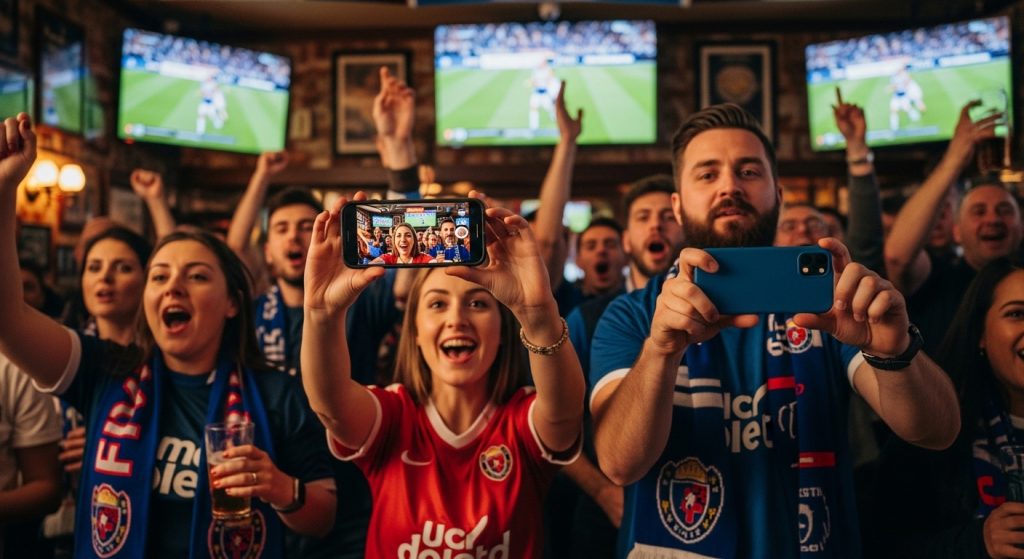
The biggest shift in modern sports management trends is the move from “passive viewing” to “active participation.” The 2026 tournament will be the first “Social-First” World Cup, yet most organizers are still planning for a TV-first audience.
1. The “Second Screen” is Now the First Screen
Fans in 2026 won’t just watch the game; they will stream their reaction to it. Fan engagement technology must prioritize high-density Wi-Fi and upload speeds over download speeds.
- Action: If you run a sports bar or event venue, upgrade your bandwidth today. A venue where fans can’t Go Live is a venue they won’t visit.
2. The Rise of the “Micro-Fan Zone”
Official FIFA Fan Festivals are huge, crowded, and expensive. The real opportunity lies in “micro-fan zones”—localized, community-driven watch parties.
- Opportunity: Create niche viewing experiences (e.g., “Quiet Watch Parties” for tactical analysis, or “Family Zones” with no alcohol).
- Data Insight: Search interest for “family friendly sports bars” has tripled in host cities since the schedule announcement.
3. The Experience Economy Over Merchandise
Gen Z and Alpha fans value “being there” over “buying that.” Instead of stocking up on generic jerseys, invest in creating “Instagrammable” moments.
- Strategy: specialized food menus, AR (Augmented Reality) photo booths, or guest appearances by local legends.
Sustainability: Beyond the Greenwashing
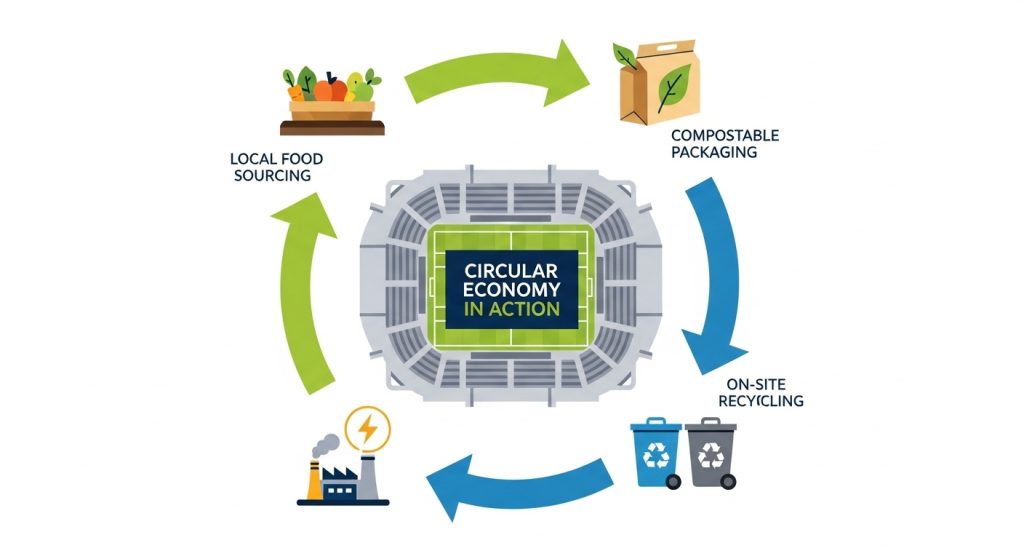
Sustainable sports infrastructure is the buzzword of 2026, but the sheer scale of travel across Canada, the USA, and Mexico creates a massive carbon footprint. This presents a unique angle for local businesses to stand out.
The “Local-First” Eco-Advantage
While FIFA grapples with transcontinental jet travel, you can win by being hyper-local.
- Source Locally: Commit to 100% local food and beverage sourcing for your events. This is a powerful marketing narrative against the “global” waste of the tournament.
- Waste Reduction Plans: Implement strict “zero-plastic” policies now. By 2026, fans will actively punish brands that generate visible trash.
A 30-Day “Pre-Game” Plan for Small Businesses
You don’t need millions to ride the wave. Here is a practical, low-budget roadmap to align your business with World Cup 2026 preparation trends starting this month.
| Week | Focus Area | Actionable Step |
| Week 1 | Digital Audit | Update Google Maps listings. Add “Soccer Friendly” attributes and photos of viewing setups. |
| Week 2 | Community | Reach out to local amateur soccer leagues. Offer your space for their post-game socials now to build loyalty before 2026. |
| Week 3 | Tech Check | Test your Wi-Fi under load. Install simple charging stations at every table/seat. |
| Week 4 | Content | Start a “Countdown to 26” blog or social series highlighting local soccer history in your city. |
Expert Insight: The “Sugar High” Warning
I have consulted on logistics for three major sporting events, and the pattern is always the same. Businesses over-invest in perishable inventory (food, decorations) and under-invest in operations.
The World Cup 2026 host cities will experience a “sugar high”—a massive, temporary influx of cash. The businesses that survive are the ones that use this cash to upgrade permanent assets: better kitchen equipment, a robust CRM system to capture customer data, or renovations that last decades.
Don’t build for the month of June 2026. Build for the five years that follow.
Conclusion
The World Cup 2026 preparation phase is not a waiting game; it is a building phase. The “face of modern sports” is changing to favor sustainability, digital connectivity, and hyper-local community experiences.
By shifting your focus from “how do I sell to fans” to “how do I facilitate their experience,” you move from being a spectator to an active participant in the biggest sporting event in history.
Ready to kick off? Start Week 1 of your plan today by auditing your digital presence. The world is coming—make sure they can find you.



0 Comments